Anti-Choke Devices in the United Kingdom: A Detailed and Informative Overview
Choking emergencies remain a significant public health concern in the United Kingdom. While quick intervention often saves lives, moments of panic can make it difficult for bystanders to respond effectively. In recent years, anti-choke devices have gained attention in homes, schools, and care environments across the UK. Although they are not a replacement for standard first-aid techniques, many people are curious about how these devices work and how they fit into existing UK safety practices.
Why Choking Awareness Has Increased in the UK
Several trends have contributed to the rising conversation around choking readiness:
-
Greater first-aid education: Training initiatives and public safety campaigns have increased general awareness about how quickly a choking incident can escalate.
-
Population changes: An ageing population and high numbers of young children in childcare settings mean more people are at increased risk.
-
Household concerns: Parents, carers, and individuals living with someone vulnerable often explore additional ways to feel prepared for emergencies.
-
Growing access to safety equipment: As more first-aid products become available to households, people naturally look into tools they may not have considered before.
This broader awareness has led many to ask whether anti-choke devices have a place alongside traditional first-aid methods.
How Anti-Choke Devices Are Intended to Function
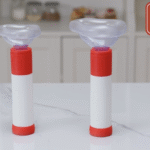
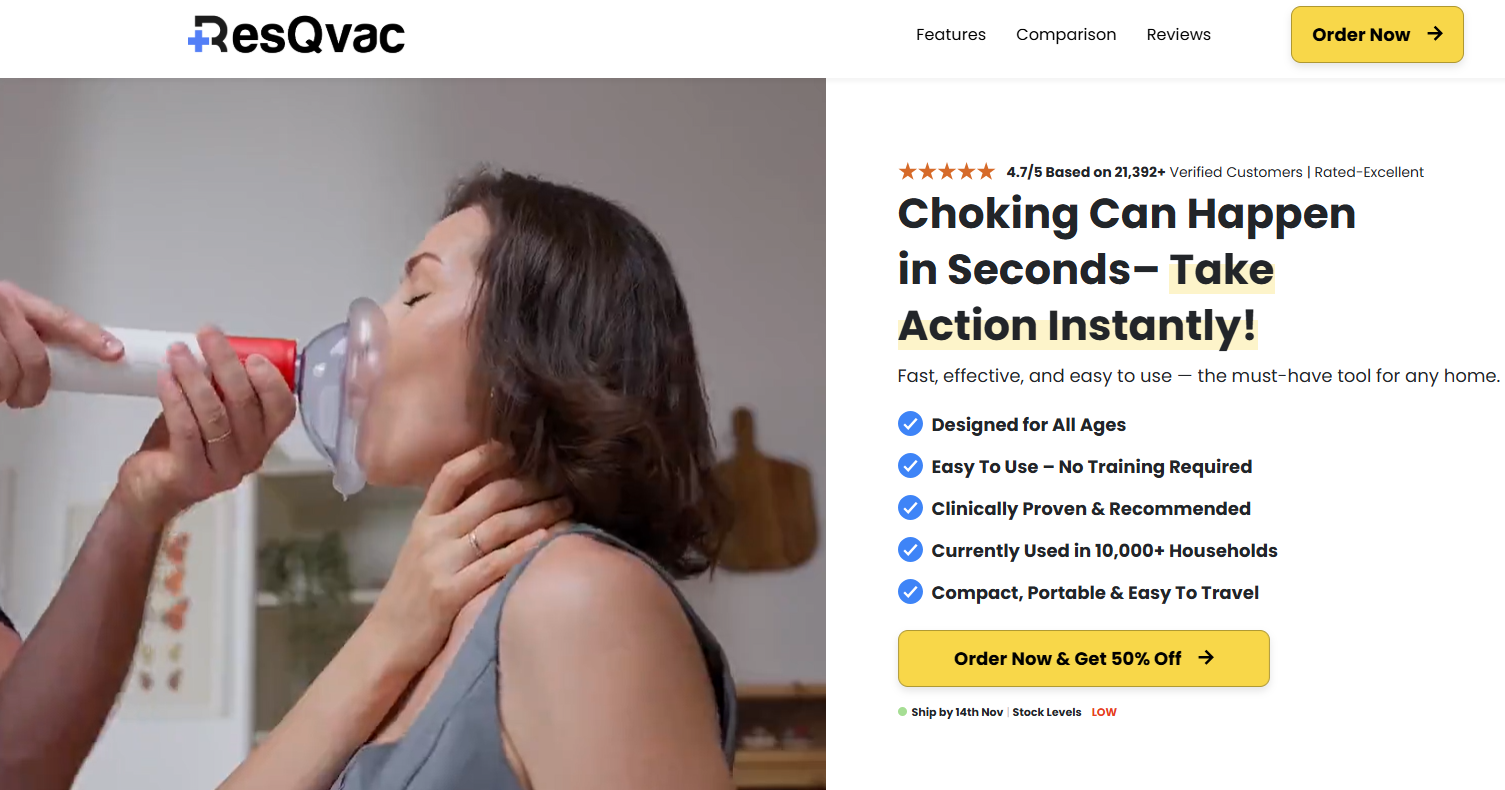
Most anti-choke devices in the UK use a simple negative-pressure mechanism. The device forms a seal over the mouth, and when activated, it creates suction aimed at helping remove a visible or partially dislodged obstruction.
It’s important to understand:
-
The devices are not replacements for established UK first-aid guidance.
-
Their design makes them relatively easy to operate under stress, which is one reason some people consider them.
-
They are typically intended for situations in which standard measures either cannot be carried out or have already failed.
Position Within UK First-Aid Guidelines
Official UK first-aid guidance continues to emphasise:
-
Encouraging coughing.
-
Back blows.
-
Abdominal thrusts.
-
Calling emergency services promptly.
Anti-choke devices are not yet included in formal UK clinical guidelines. This doesn’t mean they are discouraged, but rather that they sit in a space where personal judgement is required. First-aid trainers often advise that such devices may be used after recognised techniques, not instead of them.
Where Anti-Choke Devices Are Commonly Found
A growing number of settings in the United Kingdom have begun keeping these devices on hand as an additional measure—not a primary one. They are commonly seen in:
-
Homes, particularly those with infants, toddlers, or older adults
-
Schools, nurseries, and early-years settings
-
Care homes and assisted-living facilities
-
Restaurants, cafés, and other food-service venues
-
Workplaces with enhanced health-and-safety policies
In many of these environments, staff already undergo first-aid training, and a device is simply viewed as another item in a well-prepared emergency kit.
What Users Typically Report
Conversations across parent groups, community forums, and workplace safety discussions show a range of opinions:
-
Confidence boost: Some carers and parents feel more secure knowing they have an extra tool at hand.
-
Practical concerns: Others note uncertainty regarding when to use the device or how it fits into the sequence of first-aid actions.
-
Training value: Many who own a device also express the importance of learning standard choking procedures first.
This variation shows that while interest is growing, the devices are part of a broader conversation rather than a universal solution.
Areas Where More Clarity May Develop in the Future
As awareness grows, several questions continue to arise:
-
Will formal guidance eventually include information about these devices?
-
How can first-aid training programmes best explain their appropriate role?
-
What kind of real-world data will shape future recommendations?
The UK’s approach may evolve as more information becomes available, but for now, anti-choke devices are considered optional, supplementary tools.
Why People Choose to Keep These Devices
Those who decide to keep an anti-choke device often mention three main reasons:
-
Preparedness: A desire to feel equipped during high-stress emergencies.
-
Vulnerable family members: Children, elderly relatives, or individuals with certain conditions may increase perceived risk.
-
Peace of mind: Simply knowing an additional option exists can ease anxiety for some households.
In all cases, people emphasise that proper first-aid knowledge remains essential.
A Balanced View Moving Forward
The growing conversation around anti-choke devices in the United Kingdom reflects a broader public interest in safety and preparedness. These devices are not a substitute for training, nor do they replace existing medical guidance. However, for some individuals and organisations, they offer an added sense of security—one more option when every second counts.
As understanding increases and discussions continue among first-aid instructors, health professionals, and community groups, people in the UK are developing a more nuanced view of how these devices can responsibly fit into an emergency-response environment.